When it comes to elevating the appearance and functionality of your home, combining beautifully crafted outdoor structures can make all the difference. In the UK, and particularly in Cheshire, homeowners are turning to oak framed construction to create an elegant, cohesive aesthetic. Two standout additions are the Single Oak Car Port and the Prime Oak Orangery. Together, these bespoke structures not only enhance kerb appeal but also provide practical and luxurious extensions to your living environment.
This blog delves into how single oak car ports enhance home design, explores the art of matching oak car port and orangery styles in the UK, details the principles of oak frame construction, and sheds light on the broader category of oak timber buildings that shape exquisite properties.
How Single Oak Car Ports E
Enhance Home Design
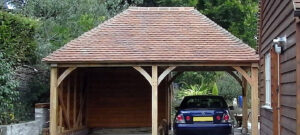
A single oak car port is more than just a shelter for your vehicle; it is an architectural statement that blends protection, style, and function. These car ports offer a graceful, open-air solution that complements the natural beauty of oak timber alongside the dynamic silhouette of your home.
Architectural Balance and Visual Continuity
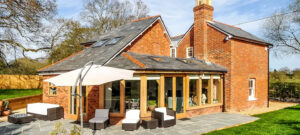
Using oak for your car port creates a natural link with other external timber structures, especially orangeries. The thick, robust oak posts and beams of a car port resonate with the framing of a prime oak orangery, establishing harmony across your property’s exterior. This coordinated design elevates kerb appeal and creates a timeless sense of craftsmanship and quality.
Weather Protection with Style
The single bay design is perfect for homeowners with limited space or a single car but who do not want to compromise on beauty. Oak’s strength ensures your vehicle is protected from the elements for years. The open design enhances airflow, reducing the dampness that can accumulate in enclosed garages, making it practical and elegant.
Personalisation and Detailing
Single oak car ports often feature bespoke detailing, decorative braces, carved corbels, or precisely jointed beams, that mirror the style and intricacies of your orangery. This bespoke craftsmanship makes the combination feel thoughtfully designed rather than an afterthought, contributing to a unified outdoor space.
Matching Oak Car Port and Orangery Styles in the UK
Creating synergy between your oak car port and orangery means more than just using the same material. Successful matching involves attention to design nuances such as scale, finish, roof pitch, and architectural detailing.
Material Consistency
Both structures should use the same grade and finish of oak to maintain visual uniformity. Whether an oiled, natural patina, or painted finish, consistent treatment ensures the wood ages gracefully and ties the buildings together aesthetically.
Roof Harmony
Matching the shapes and pitch of roofs between the single oak car port and prime orangery creates a smooth visual transition. Whether using traditional clay tiles, slate, or modern glazing, roof materials and style should complement each other enabling the structures to look like part of one cohesive design.
Proportions and Scale
Keeping the size and massing of the car port proportional to the orangery supports architectural balance. A car port that is too large or too small can disrupt the flow of the home. Bespoke designs allow for adjustments that consider garden layout, house angles, and personal preference.
Accessories and Features
Details such as lighting fixtures, ornate brackets, rainwater goods, and even decorative ironmongery can be mirrored across both buildings, enhancing harmony without becoming repetitive.
Oak Frame Construction: How It Shapes Bespoke Outdoor Living
The enduring appeal of oak frame construction lies in its robustness and beauty. Traditional joinery methods, such as pegged mortise and tenon joints, are combined with modern techniques to create frames that are both structurally sound and visually striking.
Frame Strength and Stability
Oak’s inherent density and tensile strength mean that large open spans and vaulted ceilings are achievable without steel reinforcements or cluttered supports. This flexibility encourages expansive spaces in orangeries and open car port designs alike.
Sustainable Craftsmanship
Oak frame construction supports sustainability, especially when timber is responsibly sourced and joined without excessive mechanical fastenings. A well-built oak frame can last centuries and will weather over time with only minimal maintenance.
Integration with Other Materials
Oak frames harmonise beautifully with brickwork, glass, stone, or rendered exteriors. In luxury designs, the transition from timber frame to glass expanses in orangery spaces enhances natural light and visibility to gardens, whereas oak carports stay grounded and natural.
The Appeal of Oak Timber Buildings Beyond Car Ports and Orangeries
Both bespoke oak buildings like car ports and orangeries are part of a broader portfolio of high-end timber constructions that include garden rooms, porches, pergolas, garages, and more. These structures contribute independently and collectively to the functional and aesthetic enhancement of properties.
Advanced oak timber buildings can be fully customisable, enabling features such as insulation, underfloor heating, electrical wiring, and bespoke finishes. This makes them suitable for year-round use as outdoor retreats, guest accommodations, or utility spaces.
Summary: Bringing It All Together
Combining a single oak car port with a prime oak orangery creates a seamless outdoor environment that enhances both function and form. The principles of oak frame construction ensure these bespoke structures are robust, resistant to the UK climate, and unmatched in style.
By matching designs carefully, with continuity of materials, proportion, and detailing, you craft a coordinated garden and home environment that is inviting, visually balanced, and improves overall property value and appeal.