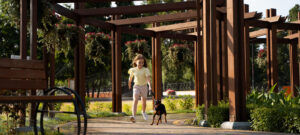
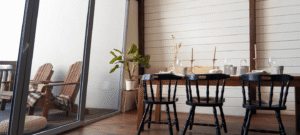
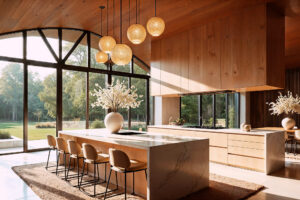
In an era where cookie-cutter homes dominate new developments, homeowners across the UK are seeking unique, characterful additions that reflect personal style and stand the test of time. Bespoke oak buildings have surged in popularity, offering a compelling blend of traditional craftsmanship and contemporary functionality. From garden rooms and orangeries to carports and pergolas, these oak buildings provide timeless appeal that mass-produced alternatives simply can’t match.
Bespoke oak framed buildings allow for custom designs tailored to specific plots, lifestyles, and architectural contexts, making them ideal for modern UK homes craving individuality. This rise stems from growing appreciation for sustainability, durability, and aesthetic warmth in a world of fleeting trends. This detailed guide explores what are the benefits of building with oak, addresses how long do oak framed buildings last, and reveals why these structures are transforming gardens and homes nationwide.
The Resurgence of Oak in Contemporary Architecture
Oak buildings evoke Britain’s rich timber-framing heritage, from medieval halls to Georgian farmhouses, yet adapt seamlessly to 21st-century needs. Modern homeowners value their ability to bridge old and new: a sleek oak-framed extension complements minimalist new-builds, while restoring authenticity to period properties. Personalisation drives demand, unlike standardised kits, bespoke oak framed buildings feature hand-drawn curves, bespoke joinery, and site-specific proportions.
Social media amplifies visibility: Instagram-worthy pergolas draped in wisteria or light-filled orangeries showcase oak’s photogenic qualities. Planning permissions favour sympathetic oak designs, especially in conservation areas, accelerating adoption. Post-pandemic, desire for outdoor living spaces skyrocketed, positioning oak structures as essential lifestyle upgrades.
What Are the Benefits of Building with Oak?
What are the benefits of building with oak? Start with unmatched durability. Oak’s Janka hardness rating (high density) resists dents, impacts, and compression, supporting spans up to 10 metres without steel. Naturally high tannin content repels rot, fungi, and insects, eliminating chemical treatments.
Aesthetically, oak’s golden grain and figuring add warmth that steel or concrete lacks. It ages gracefully, developing silver patinas outdoors or rich amber tones indoors. Thermal mass regulates temperatures, cool summers, cosy winters, enhancing energy efficiency. Breathability prevents condensation, unlike impermeable materials.
Sustainability shines: fast-growing European oak from managed FSC-certified forests sequesters carbon (1 tonne per cubic metre). Longevity minimises replacements; low embodied energy beats concrete/brick. Oak buildings qualify for green mortgages and planning incentives.
Versatility abounds: rustic hand-hewn for farmhouses, planed smooth for modernists. Customisation via mortise-and-tenon joinery enables curved braces, vaulted ceilings, or integrated planters.
How Long Do Oak Framed Buildings Last?
How long do oak framed buildings last? With proper design and maintenance, 100-300 years. Historic examples like Wealden halls endure 600+ years. Air-dried green oak shrinks predictably (8-12%), forming tight joints that strengthen over time. Pegged mortise-and-tenon connections flex with seasonal movement, preventing cracks.
Modern bespoke oak framed buildings incorporate stainless fixings and breathable infills (lime plaster, SIPs), extending lifespans. Outdoors, annual linseed oiling repels moisture; indoors, minimal care preserves beauty. Unlike softwoods rotting in 20 years, oak thrives exposed. Warranties span 10-30 years, but real-world performance far exceeds.
Case in point: 15th-century barns converted to homes remain structurally sound after renovations. Oak buildings depreciate gracefully, no dated aesthetics requiring demolition.
Bespoke Oak Framed Buildings: Tailored to Modern Lifestyles
Bespoke oak framed buildings shine in versatility. Garden offices support remote work with insulation and electrics; orangeries create light-filled kitchen-diners; pergolas shade al fresco zones. What are the benefits of building with oak includes adaptability, frames support glazed walls, retractable roofs, or green roofs.
UK homeowners favour orangeries blending conservatory light with room-like solidity: central lanterns atop flat roofs flood interiors while oak framing tempers heat. Carports shelter EVs stylishly; pool houses enclose spas elegantly. Site-specific designs navigate slopes, trees, or views, maximising small urban plots.
Rise of Oak Frame Extensions and Garden Rooms
Extensions represent oak buildings growth. Kitchen extensions span patios seamlessly; link blocks join garages to homes under glazed oak canopies. Bespoke oak framed buildings integrate via matching profiles, extension beams echo main house trusses.
Garden rooms boom for hybrid living: gyms, studios, guest suites. Full-height glazing immerses in greenery; oak’s mass stabilises microclimates. How long do oak framed buildings last ensures return on investment, decades of use without rebuilds.
Sustainability and Eco-Conscious Appeal
Modern UK buyers prioritise green credentials. Oak buildings excel: renewable oak grows in 40-60 years versus tropical hardwoods’ 100+. Low processing (air-drying) cuts energy; transport minimises via local mills. Carbon-negative over lifecycles, they support net-zero goals.
Passive design leverages oak: overhangs shade summer sun; thermal mass stores winter heat. What are the benefits of building with oak includes breathability preventing mould, crucial in damp UK climates.
Financial Advantages and Property Value
Initial premiums (20-30% over softwood) yield superior ROI. How long do oak framed buildings last translates to negligible maintenance; resale values rise 10-20%. Buyers seek “future-proof” features, unique bespoke oak framed buildings differentiate in competitive markets.
Planning bonuses: oak sympathetic to heritage sites; permitted development often applies. Insurance lower due to fire-resistant density.
Design Trends Driving Popularity
Contemporary oak frame design evolves: slim profiles for modernism; hybrid steel-oak for vast spans; charred finishes (shou sugi ban) for drama. Retractable louvres, smart glass, and living roofs modernise classics. Oak buildings embrace biophilia, green walls climb frames, skylights frame stars.
Social spaces dominate: pergola bars, orangery nooks. Multi-gen living favours annexes; remote work demands garden pods.
Practical Considerations: Construction and Maintenance
Prefabrication streamlines: CAD precision, factory assembly, site erection in days. Minimal disruption via cranes. Foundations simple, pads for pergolas, strips for rooms.
Maintenance light: oil exteriors biennially; inspect pegs decennially. Bespoke oak framed buildings age as features, not flaws.
Community and Cultural Revival
Oak buildings revive lost crafts: framewright guilds train apprentices; festivals showcase work. Local economies benefit, mills, carpenters thrive. How long do oak framed buildings last preserves heritage for generations.
Conclusion
Bespoke oak framed buildings surge in modern UK homes for compelling reasons: enduring beauty, sustainability, versatility. Oak buildings deliver what are the benefits of building with oak, strength, warmth, eco-value, while how long do oak framed buildings last ensures generational legacy. These timeless investments elevate lifestyles and landscapes alike.