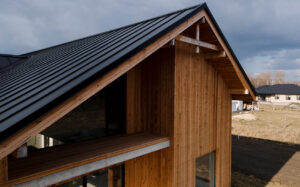
In an age dominated by mass-produced housing and fleeting design trends, UK homeowners are rediscovering the timeless allure of bespoke oak framed buildings. These custom-crafted structures, from elegant garden rooms and orangeries to practical carports and pergolas, offer unparalleled character, durability, and versatility that standard constructions simply can’t match. As sustainability, individuality, and quality craftsmanship gain priority, bespoke oak buildings have surged in demand, transforming ordinary properties into architectural statements.
Bespoke oak frames enable homeowners to create spaces tailored precisely to their plots, lifestyles, and architectural contexts, whether restoring period homes or modernising new builds. This growing popularity reflects broader shifts toward eco-conscious living, long-term value, and personalised design. This comprehensive guide explores the key drivers behind this trend, examining bespoke oak framed buildings from aesthetic, practical, and economic perspectives.
The Unique Appeal of Custom Craftsmanship
Bespoke oak framed buildings stand apart through their made-to-measure nature. Unlike kit homes or prefabricated sheds that force sites to conform, these structures adapt to specific dimensions, slopes, and orientations. A bespoke oak building might feature hand-drawn curved braces matching a Georgian farmhouse or slim modern profiles complementing a minimalist extension, precision impossible with off-the-shelf options.
Traditional mortise-and-tenon joinery forms the backbone, with beams interlocking via wooden pegs for flexibility and strength. This time-tested method allows wide spans (up to 10m) without internal supports, creating airy open plans. Bespoke oak frames support innovative features, retractable roofs, full-height glazing, integrated planters, turning functional spaces into design destinations.
Homeowners value the narrative quality: each frame tells a story of skilled craftsmanship, from green oak selection to final oiling. This authenticity resonates in an era craving substance over surface-level aesthetics.
Unmatched Durability and Longevity
Oak’s legendary resilience drives adoption. As one of Europe’s hardest timbers, it resists compression, impacts, and weathering far better than softwoods or composites. Naturally high tannin content repels rot, insects, and fungi, eliminating chemical treatments. Air-dried oak (18-22% moisture) shrinks predictably during seasoning, forming tight joints that strengthen over decades.
Bespoke oak framed buildings endure 100-300+ years with proper care, historic barns prove this daily. Pegged connections accommodate seasonal movement, preventing cracks common in nailed frames. Stainless fixings and breathable finishes ensure modern performance. Annual linseed oiling preserves golden tones or fosters silver patinas; interiors require no maintenance.
This longevity appeals to cost-conscious buyers: minimal repairs translate to negligible lifetime costs, outlasting uPVC (20-30 years) or cedar (40 years).
Sustainability in a Climate-Conscious Era
Environmental responsibility fuels the bespoke oak buildings boom. Responsibly managed European oak renews in 40-60 years via FSC-certified forests, unlike tropical hardwoods needing centuries. Local sourcing minimises transport emissions; air-drying slashes energy use 70% versus kiln methods.
Oak sequesters 1 tonne CO2 per cubic metre, bespoke oak frames become carbon sinks. Thermal mass regulates temperatures naturally (cool summers, stable winters), reducing HVAC demands 20-30%. Breathable structures prevent condensation/mould plaguing sealed modern builds.
Longevity eliminates frequent rebuilds; modular designs facilitate future adaptations. Government incentives favour timber, green mortgages, planning relaxations, accelerating uptake.
Aesthetic Versatility for Every Style
Bespoke oak framed buildings transcend trends through chameleon-like adaptability. Rustic hand-adzed finishes suit farmhouses; planed smooth profiles grace modernists; charred shou sugi ban adds drama. Grain patterns range cathedral figuring to subtle quartersawn flecks, complementing stone, brick, render, or glass.
Bespoke oak buildings scale elegantly: intimate garden pods for urban plots; grand orangeries spanning rural lawns. Bespoke oak frames support hybrid aesthetics, steel accents for industrial edge, lime plaster infills for soft heritage. Exposed trusses create ceiling drama; concealed rafters yield clean modernism.
Social media amplifies visibility: #OakFrameLiving showcases wisteria-draped pergolas, light-filled garden rooms, Instagram-ready interiors.
Planning Success and Permitted Development
UK planning authorities embrace oak’s vernacular authenticity. Bespoke oak framed buildings under Permitted Development limits (4m ridge heights, 50% garden coverage) bypass applications entirely. Conservation areas approve sympathetic designs where uPVC fails.
Bespoke oak frames prefabricate swiftly, CAD precision, factory assembly, 2-3 day erections, minimising neighbour disruption. Local councils recognise quality craftsmanship, granting permissions where speculative builds falter.
Versatile Applications for Modern Living
Bespoke oak framed buildings adapt to diverse needs:
- Garden Rooms/Offices: Insulated pods with SIP infills support remote work, full-height glazing immerses in greenery.
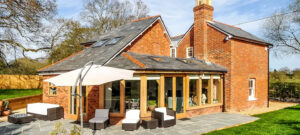
- Orangeries: Light-filled kitchen-diners with lantern roofs blend conservatory airiness and room solidity.
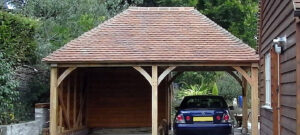
- Carports/Pergolas: Vehicle shelters double as al fresco dining; climbing plants add seasonal beauty.
- Annexes: Multi-gen living with en-suites, kitchens, self-contained yet connected.
- Pool Houses/Summerhouses: Changing rooms, bars beneath weatherproof canopies.
Bespoke oak buildings future-proof via modular wiring, smart lighting, EV chargers, solar integration.
Economic Advantages and ROI
Premium upfront costs (£2k-4k/sqm) yield superior returns. Bespoke oak framed buildings boost values 10-25% through floorspace, quality signals. Estate agents note faster sales, unique features differentiate listings.
Low running costs enhance economics: passive solar slashes bills; durability eliminates repairs. Prefabrication cuts labour 30%; warranties span 10-50 years.
Health, Wellbeing, and Lifestyle Enhancement
Bespoke oak frames foster biophilic living: natural materials reduce stress; garden views boost productivity. Bespoke oak buildings encourage outdoor engagement, pergola yoga, orangery reading, improving physical/mental health.
Social spaces strengthen community: garden parties under trusses, neighbours peering curiously. Personal sanctuaries nurture creativity, artist studios, meditation rooms.
Revival of Traditional Craftsmanship
Bespoke oak framed buildings revive endangered skills. Framewright guilds train apprentices; local mills supply air-dried oak. Festivals showcase work; TV renovations popularise timber. Bespoke oak buildings preserve cultural heritage while meeting modern codes.
The Custom Design Process
- Consultation: Site visits assess orientation, views, planning constraints.
- Design: 3D models visualise bespoke oak frames; client feedback refines.
- Manufacture: Green oak hand-selected, cut/assembled off-site.
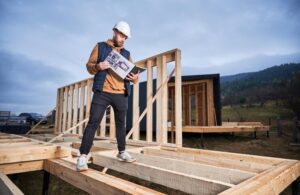
- Installation: Crane erection (1-3 days); glazing/electrics follow.
- Finishing: Oils applied; landscaping integrates.
Total: 8-16 weeks.
Challenges and Solutions
Moisture management: breathable designs prevent trapped damp. Shrinkage: engineered allowances accommodate 8% dimensional change. Cost: modular prefabrication offsets premiums.
Conclusion
Bespoke oak framed buildings are surging across UK homes, driven by a perfect fusion of tradition, sustainability, and personalisation. With oak tree frames, expertly crafted bespoke oak frames deliver enduring beauty, versatile functionality, and exceptional ROI enhancing lifestyles while harmonising with natural landscapes for generations.