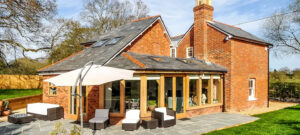
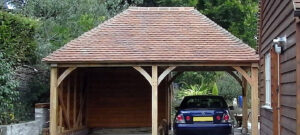
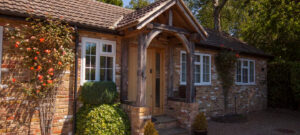
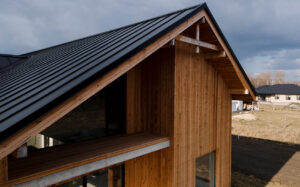
As 2026 unfolds, UK homeowners are increasingly ditching generic extensions, kit sheds, and synthetic garden structures in favour of Bespoke Oak Buildings that promise authenticity, sustainability, and timeless style. This shift marks a decisive move away from mass-produced alternatives toward custom-crafted timber masterpieces, from light-filled orangeries and garden offices to elegant carports and pergolas. Triggered by heightened environmental awareness, remote working demands, and a desire for personalised architecture, bespoke oak framed buildings now dominate self-build projects and home renovations nationwide.
What began as niche appeal among rural property owners has exploded into mainstream adoption, particularly in affluent regions like Cheshire, the Cotswolds, and the Home Counties. These Bespoke Oak Buildings integrate seamlessly with both period homes and modern new-builds, offering superior durability and aesthetic warmth. This detailed exploration reveals the pivotal reasons behind this transformation, highlighting how bespoke oak framed buildings deliver unmatched value in today’s eco-conscious, lifestyle-driven housing market.
Sustainability Takes Centre Stage
The push toward net-zero living has homeowners scrutinising material choices more than ever. Bespoke Oak Buildings lead this charge through responsible sourcing from FSC-certified European forests, where oak renews in just 40-60 years, far faster than tropical hardwoods or slow-growth conifers. Air-dried processing slashes embodied carbon by up to 70% compared to energy-intensive kiln methods, while local milling minimises transport emissions.
Oak’s natural thermal mass regulates indoor temperatures beautifully: it absorbs summer heat during the day and releases it slowly at night, reducing reliance on air conditioning by 20-30%. Breathable frames prevent the condensation issues plaguing uPVC conservatories, ensuring healthier interiors year-round. As UK building regulations tighten under the Future Homes Standard, bespoke oak framed buildings naturally comply, qualifying for green mortgages and grants that make them financially accessible despite initial premiums.
This eco-credential resonates deeply in 2026, with homeowners viewing oak not just as timber, but as a carbon-sequestering investment that sequesters one tonne of CO2 per cubic metre. Transitioning from synthetic materials to oak represents a tangible step toward personal sustainability goals, blending environmental responsibility with practical performance.
Unrivalled Durability Meets Modern Longevity Needs
Gone are the days of disposable garden structures lasting mere decades. Bespoke Oak Buildings boast lifespans of 100-300 years, proven by centuries-old barns still standing strong across Britain. Oak’s exceptional Janka hardness rating resists dents, scratches, and compression, while high tannin content naturally repels rot, insects, and fungi, no chemical preservatives required.
Traditional mortise-and-tenon joinery, secured with oak pegs, creates flexible frameworks that accommodate seasonal expansion and contraction without cracking. In bespoke oak framed buildings, stainless steel fixings enhance weather resistance, ensuring exposed elements develop graceful silver patinas rather than degrade. Homeowners switching from cedar (40-year lifespan) or metal (rust-prone) find oak’s minimal maintenance, biennial oiling suffices, transforms upkeep from chore to ritual.
This durability aligns perfectly with 2026’s economic caution: why rebuild every 20 years when oak endures generations? Families investing now create heirlooms, passing Bespoke Oak Buildings to children as functional legacies.
Customisation for Individual Lifestyles
Mass-produced kits force compromises; bespoke oak framed buildings celebrate individuality. Homeowners collaborate with framewrights to design structures matching precise site dimensions, slopes, and orientations, curved braces echoing Georgian farmhouses, slim profiles complementing minimalist extensions. Vaulted ceilings, integrated planters, and full-height glazing become reality, not compromises.
In 2026, hybrid living demands versatility: Bespoke Oak Buildings morph effortlessly. Garden offices feature SIP-insulated walls for remote work; orangeries blend conservatory light with room-like solidity for kitchen-diners; carports double as al fresco entertaining zones. Multi-generational annexes with en-suites support ageing parents; pool houses enclose hot tubs stylishly. Electrical integration, smart lighting, EV chargers, underfloor heating, future-proofs every project.
This tailor-made approach eliminates the frustration of ill-fitting kits, delivering spaces that evolve with family needs. Homeowners switching report profound satisfaction: structures feel like natural extensions of their homes and lives.
Aesthetic Warmth in a Sterile Design Landscape
Cold concrete, brittle uPVC, and uniform new-builds leave homeowners craving organic texture. Bespoke Oak Buildings deliver golden grains, subtle figuring, and hand-hewn tactility that soften harsh lines and warm sterile spaces. Exposed trusses create dramatic ceilings; mullioned glazing frames gardens like artworks.
Bespoke oak framed buildings adapt stylistically: rustic finishes suit Cotswold stone cottages; planed smooth oak graces urban townhouses; charred shou sugi ban adds contemporary drama. Social media fuels this trend, Instagram floods with #OakFrameLiving showcasing wisteria pergolas and lantern-lit orangeries, inspiring switches from dated conservatories.
The result? Homes gain Instagram-worthy kerb appeal that photographs beautifully for estate agents, accelerating sales while commanding premiums. Oak’s graceful ageing enhances rather than detracts, unlike plastics yellowing in sunlight.
Planning Ease and Rapid Installation
UK planning frustrations plague generic extensions, but Bespoke Oak Buildings navigate approvals smoothly. Sympathetic oak designs often qualify under Permitted Development rules, 4m ridge heights, 50% garden coverage, bypassing applications entirely. Conservation areas embrace vernacular authenticity where uPVC fails.
Prefabrication revolutionises timelines: CAD precision enables off-site assembly in weeks, with crane erections completing in 2-3 days. Total projects span 8-12 weeks versus months for brick, minimising disruption. Bespoke oak framed buildings arrive pre-fitted, reducing on-site labour by 30% and neighbour complaints.
This efficiency appeals to time-poor professionals switching from slow renovations, yielding usable spaces before summer barbecues or autumn.
Economic Sense in Uncertain Times
Despite £2,000-£4,000/sqm upfront costs, Bespoke Oak Buildings outperform economically. Property values rise 10-25% through added floorspace and quality signals, estate agents note faster sales in competitive markets. Low running costs, passive solar design slashes energy bills, recoup premiums within 5-7 years.
Durability eliminates repairs; 10-50 year warranties provide security. Compared to frequent conservatory replacements or rising PVC maintenance, oak proves thriftier long-term. In 2026’s cautious economy, homeowners prioritise investments appreciating alongside properties.
Health and Biophilic Living Benefits
Post-pandemic wellbeing drives switches to bespoke oak framed buildings. Natural oak reduces stress hormones; garden immersion via full-height glazing boosts vitamin D and productivity. Pergola yoga sessions, orangery reading nooks foster mindfulness amid urban pressures.
Social spaces strengthen community ties, al fresco dinners under trusses welcome neighbours. Bespoke Oak Buildings create personal sanctuaries: artist studios, meditation rooms, home gyms, enhancing mental health profoundly.
Revival of British Craftsmanship
Bespoke Oak Buildings revive endangered framewright skills. Guilds train apprentices; local mills thrive supplying air-dried oak. TV renovations and self-build magazines popularise timber, preserving heritage while meeting Part L energy codes.
Homeowners switching support regional economies, gaining pride from structures hand-crafted nearby.
Real Homeowner Transformations
Sarah’s Cheshire semi gained a garden office Bespoke Oak Building, replacing a leaky uPVC shed, now a productive workspace with treetop views. Tom’s Cotswold cottage added an orangery bespoke oak framed building, ditching a hot conservatory for year-round dining elegance.
These stories illustrate switches yielding joy, function, and value.
Conclusion
In 2026, UK homeowners switched to Bespoke Oak Buildings by Oaktree frames for sustainable durability, personalised versatility, and aesthetic warmth that generic alternatives lack. Bespoke oak framed buildings deliver enduring investments enhancing lifestyles, landscapes, and legacies, perfect fusion of tradition and tomorrow’s needs.